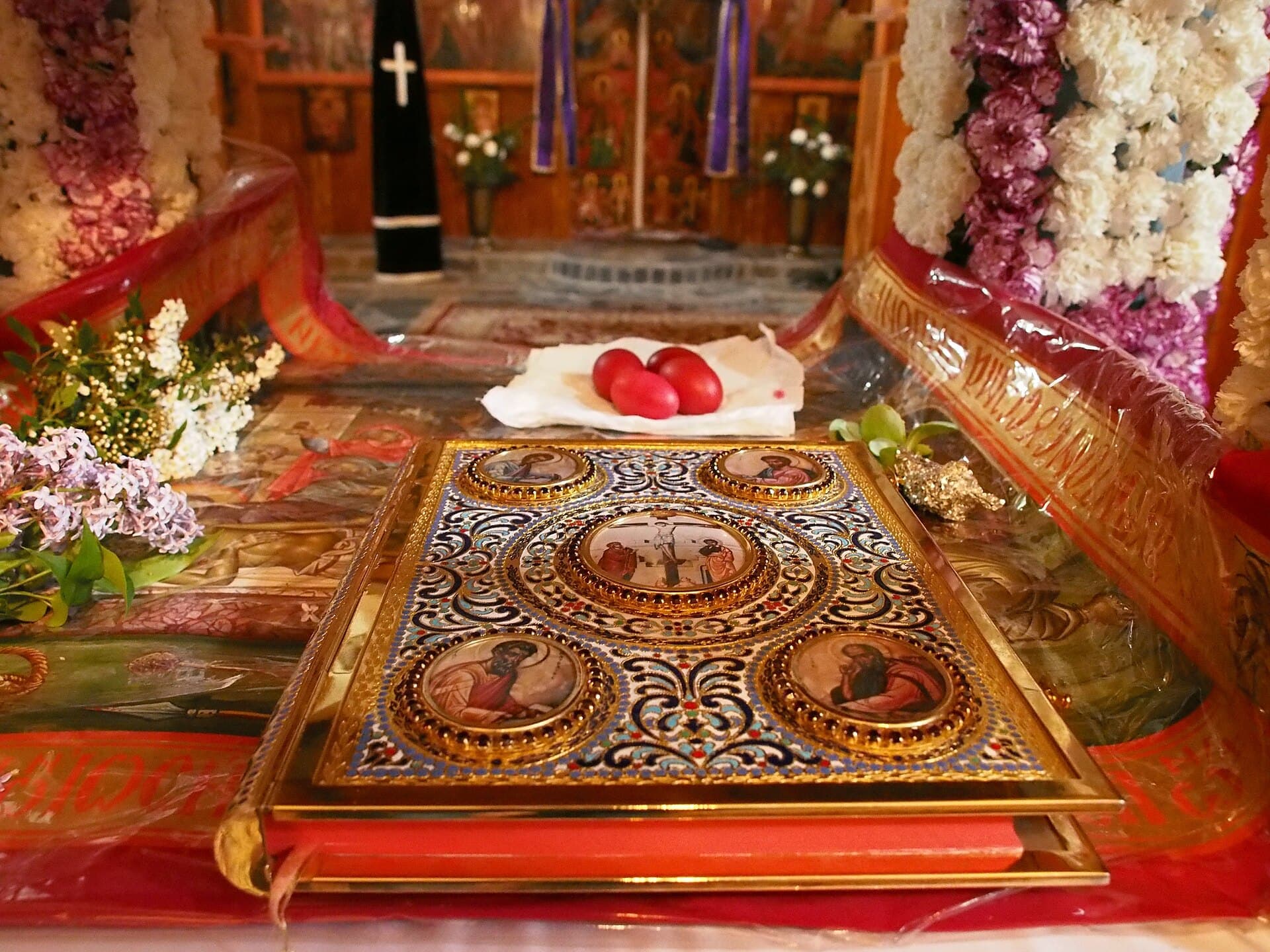
Orthodox Easter guide
Orthodox Easter 2030 in Greece
The movable feasts of 2030
Every date below is calculated from Easter Sunday.
| Holiday | Date | Weekday |
|---|---|---|
| Clean Monday | 11 March | Monday |
| Lazarus Saturday | 20 April | Saturday |
| Palm Sunday | 21 April | Sunday |
| Holy Thursday | 25 April | Thursday |
| Good Friday | 26 April | Friday |
| Holy Saturday | 27 April | Saturday |
| Easter Sunday | 28 April | Sunday |
| Easter Monday | 29 April | Monday |
| Bright Friday (Life-giving Spring) | 3 May | Friday |
| Thomas Sunday | 5 May | Sunday |
| Ascension | 6 June | Thursday |
| Pentecost | 16 June | Sunday |
| Whit Monday (Holy Spirit) | 17 June | Monday |
| All Saints | 23 June | Sunday |
Greece public holidays 2030
Dates, weekdays and the legal status of every holiday. Click a holiday for its history and the next years' dates.
- Mo11Mar
Clean Monday
Clean MondayMonday, 11 March 2030
Optional public holiday
First day of Lent, 48 days before Easter; public-sector holiday, optional in the private sector.
- Fr26Apr
Good Friday
Good FridayFriday, 26 April 2030
Customary holiday
Holy Week's day of mourning; public sector closed, custom in the private sector.
- Su28Apr
Easter Sunday
Orthodox Easter SundaySunday, 28 April 2030
Religious feast
The Resurrection, the greatest Greek feast; always a Sunday.
- Mo29Apr
Easter Monday
Easter MondayMonday, 29 April 2030
Mandatory public holiday
Mandatory public holiday the day after Orthodox Easter.
- Su16Jun
Pentecost
PentecostSunday, 16 June 2030
Religious feast
Fifty days after Easter; always a Sunday.
- Mo17Jun
Whit Monday
Whit Monday (Holy Spirit Monday)Monday, 17 June 2030
Optional public holiday
Early-summer long weekend 50 days after Easter; public-sector holiday, optional in the private sector.
Days off around Easter 2030
Easter Monday is a mandatory holiday. Good Friday closes public services, schools and banks, while most private businesses open after 1 pm. The Easter weekend gives 4 consecutive days off for public-sector workers and 3 for most private employees.
4
days off
3
days off
26 April – 1 May 2030
Includes Good Friday, Easter Monday, Labour Day
6
days off